

The world of coaching is evolving—and so are the needs of clients. As a holistic life coach in 2025, you’re no longer just a guide; you’re a wellness strategist, accountability partner, and lifestyle change agent.
With clients increasingly seeking a balanced approach that considers their mental, emotional, physical, and even spiritual well-being, it’s critical to evolve your methods, tools, and communication styles. To stay relevant and effective, holistic coaches must adopt new technologies, refine their coaching frameworks, and remain grounded in client-centered care.
In this article, we’ll explore best practices for modern holistic life coaches and how the GoodLiife Score app can elevate your coaching outcomes.
What Does a Holistic Life Coach Do?
A holistic life coach helps clients create harmony across all areas of life—health, relationships, work, mindset, emotions, and purpose. Rather than focusing on one isolated goal (like career or fitness), holistic coaches empower clients to take aligned, intentional action that supports their overall well-being.
This approach includes:
- Encouraging mind-body awareness
- Promoting sustainable habit change
- Supporting emotional resilience and self-discovery
- Providing structured accountability and motivation
- Offering tools and techniques rooted in whole-person health
In 2025, the role of a holistic coach goes beyond talk sessions—it’s about creating personalized, interactive, and tech-supported pathways to transformation.

7 Best Practices for Holistic Life Coaches in 2025
1. Personalize the Coaching Experience
Clients don’t want a cookie-cutter plan. Use thorough intake forms, assessments, and discovery sessions to deeply understand their unique challenges, goals, and values. Tailor your coaching approach based on their communication style, preferred pace, and wellness needs.
2. Integrate Multi-Dimensional Wellness
Make sure your coaching framework touches on all pillars of well-being—mental, physical, emotional, spiritual, social, and environmental. Even if your niche leans toward one area (e.g., stress relief or nutrition), consider how all systems in the body and mind interact.
3. Embrace Tech Tools to Enhance Accountability
Leverage apps like GoodLiife Score to help clients monitor habits, track wellness trends, and stay engaged between sessions. Digital tools bridge the gap between conversations and action—helping you deliver better results.
4. Prioritize Client Empowerment Over Dependency
Teach clients how to tune into their own intuition, emotions, and energy. Your goal is to build self-awareness and autonomy, not dependence on your feedback. Incorporate techniques like journaling, mindfulness, and body check-ins to support this.
5. Stay Trauma-Informed and Emotionally Intelligent
While holistic coaching isn’t therapy, emotional topics often arise. A modern holistic coach knows how to create a safe, grounded space. Practice active listening, validate feelings, and know when to refer out to mental health professionals when needed.
6. Offer Hybrid and Flexible Coaching Formats
Clients in 2025 appreciate flexible support. Consider offering coaching via video calls, audio-only sessions, and asynchronous options like email support, text check-ins, or app-based accountability. This boosts access and retention.
7. Commit to Continuous Learning and Self-Care
Model what you teach. Stay informed on wellness trends, coaching techniques, and mindset tools. More importantly, maintain your own well-being so you can show up fully present and grounded for your clients.
How to Use GoodLiife Score as a Holistic Life Coach
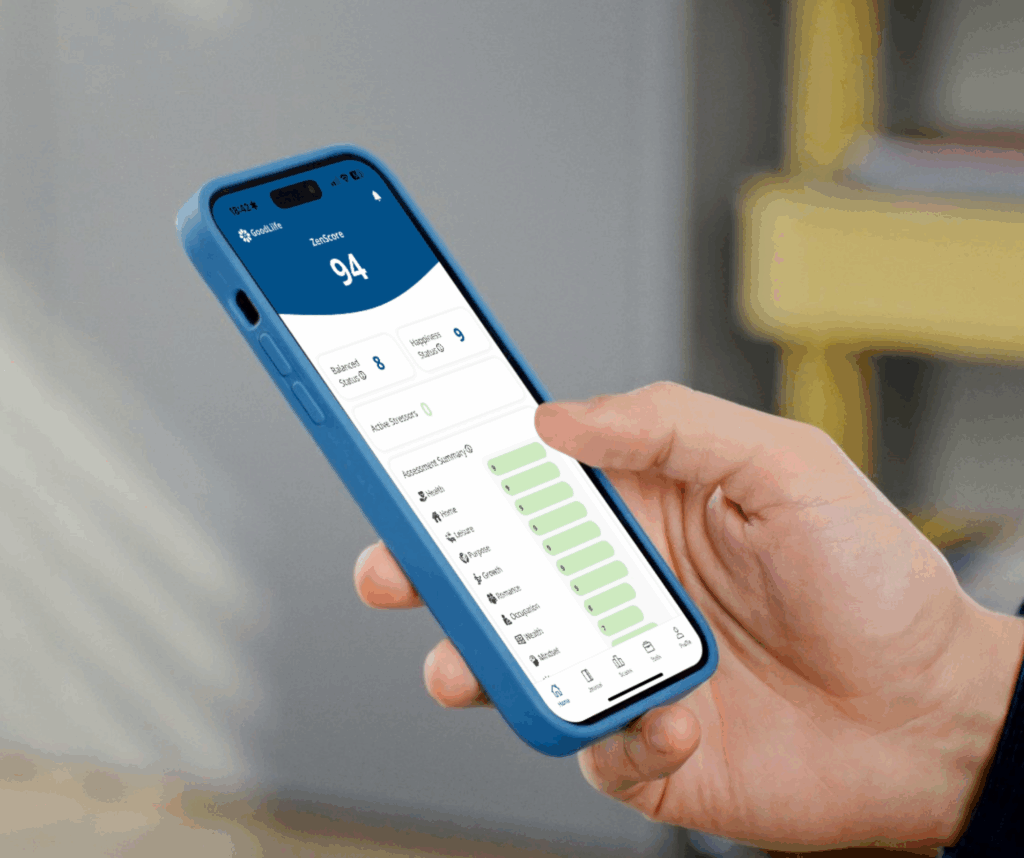
The GoodLiife Score app is designed to empower both coaches and clients. Here’s how you can integrate it into your coaching practice to streamline tracking, encourage reflection, and boost transformation:
Track Client Progress in Real Time
Clients can log daily metrics related to sleep, energy, mood, movement, nutrition, and stress. This data gives you a clearer picture of what’s going on between sessions, so your coaching becomes more informed and proactive.
Support Habit Formation and Goal Setting
Use the app to help clients define measurable goals and habits. The visual dashboard reinforces consistency and gives you an easy way to monitor progress and troubleshoot obstacles.
Foster Better Client Engagement
With journaling features and daily check-ins, clients stay emotionally and mentally engaged with their goals. The app keeps your coaching top of mind and encourages continuous self-reflection.
Enhance Session Efficiency
When clients track their well-being in GoodLiife Score, you can start sessions with quick data reviews instead of lengthy recaps. This saves time and helps you focus on deep coaching and forward movement.
Build a Scalable, High-Touch Practice
Whether you’re coaching 1-on-1 or in group settings, the app allows you to manage client wellness insights without adding hours of admin. It also helps you create more value in your programs without burning out.
Conclusion
Being a successful holistic life coach in 2025 means combining ancient wisdom with modern tools. It’s about meeting clients where they are, personalizing your approach, and using tech like GoodLiife Score to track progress and deepen transformation.
By integrating wellness metrics, emotional intelligence, and digital accountability, you create a more meaningful, impactful coaching experience—one that supports lasting change in every area of life.
When you coach holistically and intelligently, your clients don’t just reach goals—they evolve.