

Climate change, sustainability, and conscious consumerism have become some of the most pressing issues of our time. Among the generations most vocal about these issues are Millennials (born 1981–1996) and Gen Z (born 1997–2012). Both claim to prioritize sustainability in their spending habits, but a crucial question remains: do they actually pay more for green products—or is it more talk than action?
Millennials were the pioneers of eco-consumerism, driving demand for organic groceries, hybrid cars, and fair-trade coffee. They helped make sustainability a mainstream concept. Gen Z, however, has elevated eco-consciousness into a core identity, often using social media to call out unsustainable practices and support brands with transparent, ethical missions.
Still, economic realities complicate these choices. Eco-friendly products often come with a higher price tag, and younger consumers—especially Gen Z—don’t always have the disposable income to match their values with consistent spending. This article explores whether younger generations are really willing to pay extra for sustainability, how their behaviors differ, and what this reveals about their deeper sense of purpose.
Millennials and Green Spending
- First-wave eco-consumers: Millennials drove demand for organic food, clean beauty, and sustainable fashion.
- More financial stability: With many now in their 30s and 40s, Millennials generally have more disposable income than Gen Z.
- Trade-offs: While willing to pay more for certain categories (like organic groceries or green cleaning products), they still balance eco-choices with convenience and affordability.
- Motivation: Their eco-spending often reflects personal health and lifestyle preferences as much as environmental concerns.

Gen Z and Green Spending
- Sustainability as identity: Gen Z is more likely to see eco-friendly habits as a reflection of who they are.
- Willingness to pay: Surveys suggest over 70% of Gen Z would spend more for sustainable products, especially in fashion and beauty.
- Reality check: Many are students or early in their careers, so they adopt low-cost sustainable alternatives like thrifting, upcycling, and buying second-hand.
- Activism meets consumerism: Social media drives their habits—viral eco-hacks, thrift hauls, and “green challenges” reinforce sustainability as both social and personal purpose.
The Gap Between Beliefs and Actions
While both generations say they care about sustainability, there’s often a gap between intent and behavior:
- Eco-friendly products cost 10–30% more, creating barriers.
- Millennials balance green choices with family budgets.
- Gen Z may not have the income to consistently afford premium eco-options.
However, both groups find creative workarounds: Gen Z leans heavily on second-hand markets, while Millennials often choose selective eco-splurges (e.g., organic food but not organic clothing).
Categories Where Younger Generations Spend Green
- Fashion: Gen Z gravitates toward thrifting, resale apps, and sustainable streetwear brands. Millennials support premium eco-fashion but also buy fast fashion for affordability.
- Food: Millennials drove the growth of organic and plant-based foods. Gen Z experiments with alternative proteins, oat milk, and lab-grown options.
- Beauty: Gen Z demands cruelty-free and refillable packaging, while Millennials popularized the “clean beauty” category.
- Lifestyle products: Both generations seek reusable, eco-friendly options like water bottles, bamboo toothbrushes, and low-waste home goods.
What This Reveals About Generational Values
The willingness to pay more for sustainable goods shows a deeper truth:
- For Millennials, sustainability is a lifestyle enhancement—healthy, trendy, and good for the planet.
- For Gen Z, sustainability is a moral stance—a way to live out values and demand accountability from brands.
The difference lies in purpose: Millennials prioritize balance between values and affordability, while Gen Z prioritizes values first, even when constrained by finances.
GoodLiife Score App and HELPGROW Framework
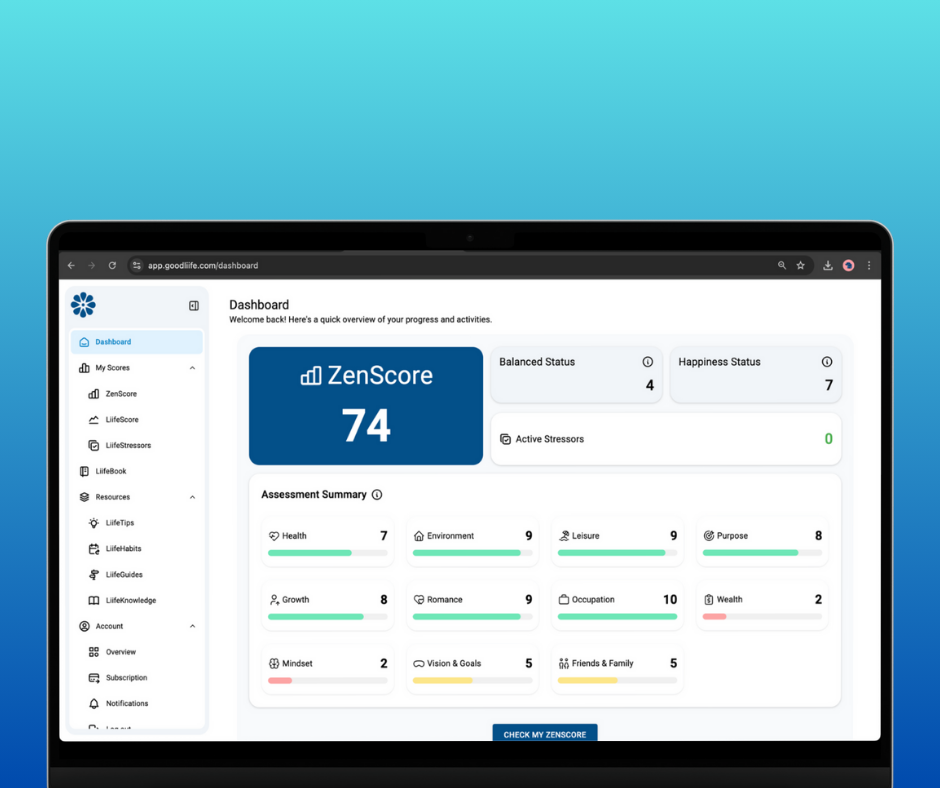
Purpose in the HELPGROW framework is about living a life aligned with your values. Eco-conscious spending is one way younger generations demonstrate purpose in action. It’s not just about buying a reusable water bottle or organic produce, it’s about expressing identity and making daily choices that reflect what matters most.
The GoodLiife Score app helps people see whether their habits, like buying green products, choosing sustainable fashion, or supporting ethical businesses, truly align with their values.
- Track purpose-driven habits (eco-friendly purchases, activism, volunteering).
- Identify gaps between values and behavior, helping you close the “intent vs action” divide.
- Set intentional goals that make sustainable living part of your daily routine without financial strain.
- Visualize alignment so you can see how living your values enhances fulfillment.
For Millennials, this may mean balancing sustainability with practicality. For Gen Z, it reinforces turning eco-conscious ideals into consistent, tangible action.
Conclusion
So, do younger generations really pay more for green products? The answer is yes—but with limits. Millennials helped mainstream eco-friendly consumerism, while Gen Z has redefined it as a moral and social identity. Yet both face financial realities that sometimes make sustainability aspirational rather than practical.
What’s clear is that both generations are pushing industries to evolve, making sustainable products more affordable and accessible. And when purpose drives consumer behavior, those small eco-choices add up to meaningful impact—not just for individuals, but for the planet.